Spring Fly Fishing Tips South Holston
Spring is one of the most productive and technical seasons to fly fish the South Holston River. Consistent cold water, strong insect hatches, and selective trout create ideal conditions for anglers who prepare properly.
Whether you are planning a DIY trip or considering a guided day with Appalachian Outdoors Co, this guide breaks down what you need to know to fish the South Holston confidently and safely in spring.
The South Holston is a TVA tailwater located near Bristol and Bluff City, Tennessee. Because flows are controlled by dam generation, understanding water releases, insect activity, and regulations is critical.
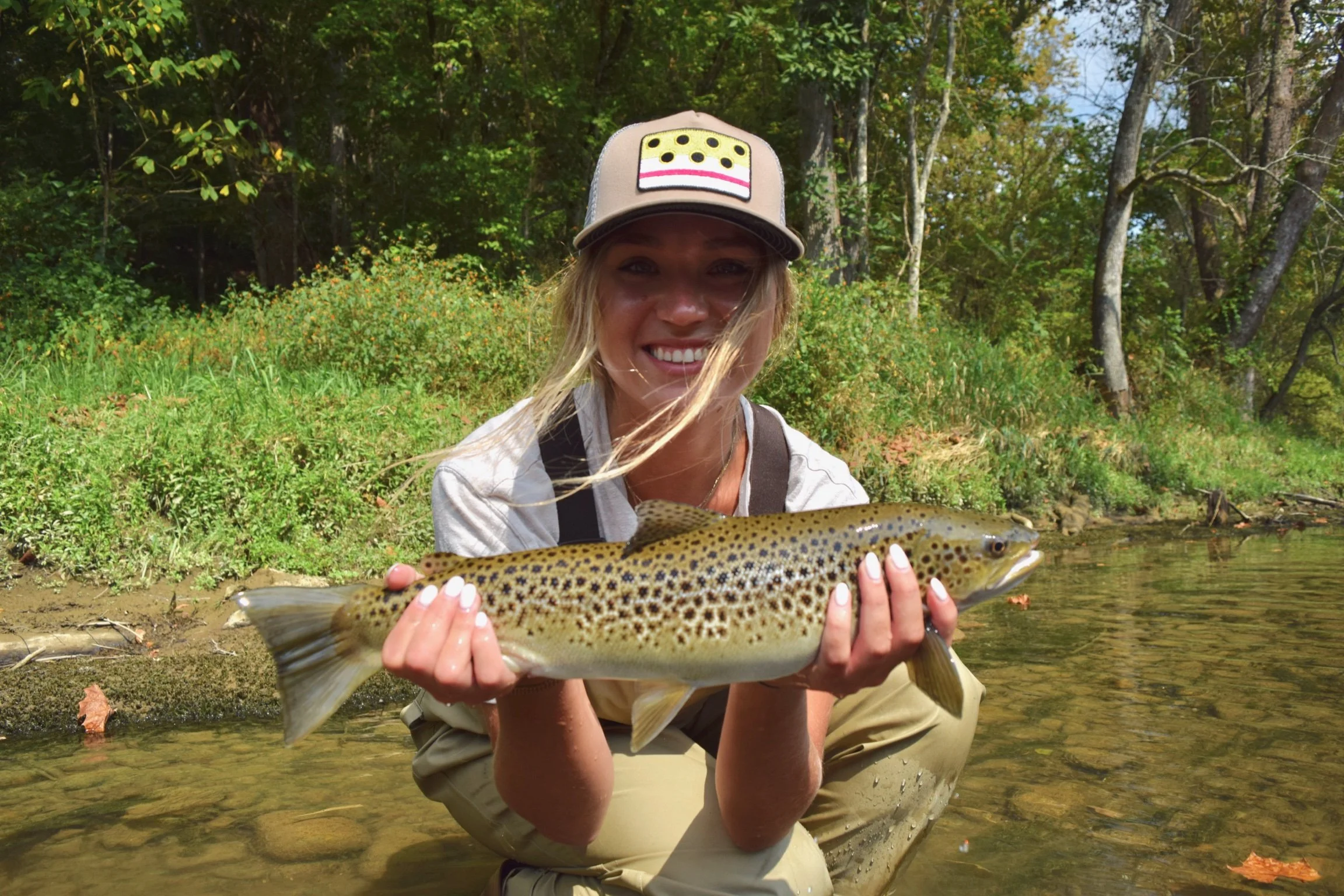
Why Spring Is Prime Time on the South Holston
Consistent Cold Water From TVA Releases
The South Holston is a dam-controlled tailwater. Cold, oxygen-rich water released from South Holston Dam keeps temperatures stable even as air temperatures warm in March, April, and May.
Stable water temperatures support consistent bug life and healthy trout populations. That consistency is one of the reasons anglers travel from across the Southeast to fish here in spring.
Increased Bug Activity and Selective Trout
Spring brings dependable hatches. Trout feed regularly, but they also become selective. Long leaders, light tippet, and drag-free drifts matter more now than in winter.
You may see steady risers during the right conditions. When fish are locked in on a specific insect stage, small adjustments make a big difference.
Spring Conditions You Must Respect
Spring weather can shift quickly. Cold mornings turn into warm afternoons. Wind can impact dry fly presentations. Most importantly, generation schedules can change without notice.
On a tailwater, rising water can go from a minor inconvenience to a real safety issue.. Always check current TVA information before stepping into the river.
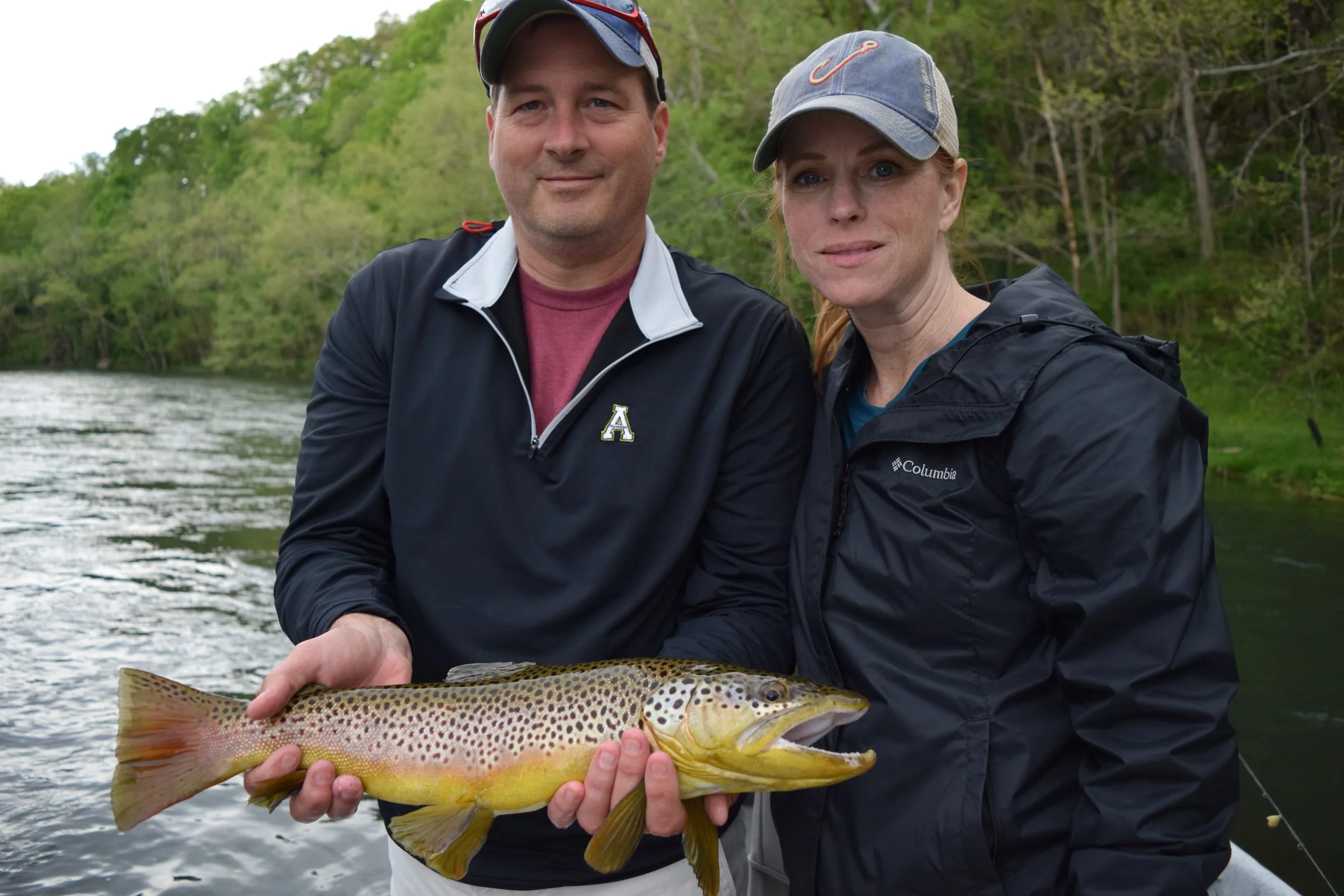
Understanding TVA Generation Before You Fish
Why Checking TVA Schedules Is Essential
TVA controls flows on the South Holston. Release schedules can change without notice, and large amounts of water may be discharged at any time.
Before fishing:
Always check current TVA information before stepping into the river.
Use the TVA Lake Info App
Monitor water levels throughout the day
Even if you start in wadable conditions, generation can rise quickly.
How Spring Generation Impacts Fishing Strategy
Low or no generation often provides the best wading opportunities. During these windows, anglers can target shallow riffles and rising fish.
When one or more generators are running, floating becomes the safer and more efficient option. Drift boats allow access to productive runs while keeping anglers out of dangerous wading situations.
Guides plan around these windows daily. We structure trips based on flow timing to maximize fishing time while prioritizing safety.
Safety First on a Tailwater
Never assume water will remain stable. Watch for:
Sudden increases in current speed
Rising water against rocks or grass
Decreasing visibility of previously exposed structure
Always know your exit points. If you are unsure about safe access, a guided trip removes much of the guesswork.
Spring Hatches on the South Holston
Spring fly selection on the South Holston is about observation. Match what you see. For a detailed breakdown of seasonal insect activity, review our South Holston Hatch Chart.
Blue Winged Olives
Blue Winged Olives are common in early to mid spring, especially on cloudy days. Size and presentation matter more than brand name flies.
Carry multiple sizes and focus on clean drifts in slower seams.
Midges
Midges hatch year round and remain important in spring. Even during larger mayfly hatches, trout often continue feeding on small subsurface patterns.
Zebra midges and small emergers should always be in your box.
Sulphurs and March Browns
As spring progresses, sulphurs become a highlight. When they are active, dry fly opportunities improve dramatically.
March Browns can also produce quality fish. Watch for subtle rises and match size carefully.
Matching the Hatch on the SoHo
Before changing flies, change your drift. Watch rise forms closely. Are fish eating emergers just below the surface or fully formed adults?
Small changes in depth, leader length, or presentation often solve the problem faster than constant fly swaps.
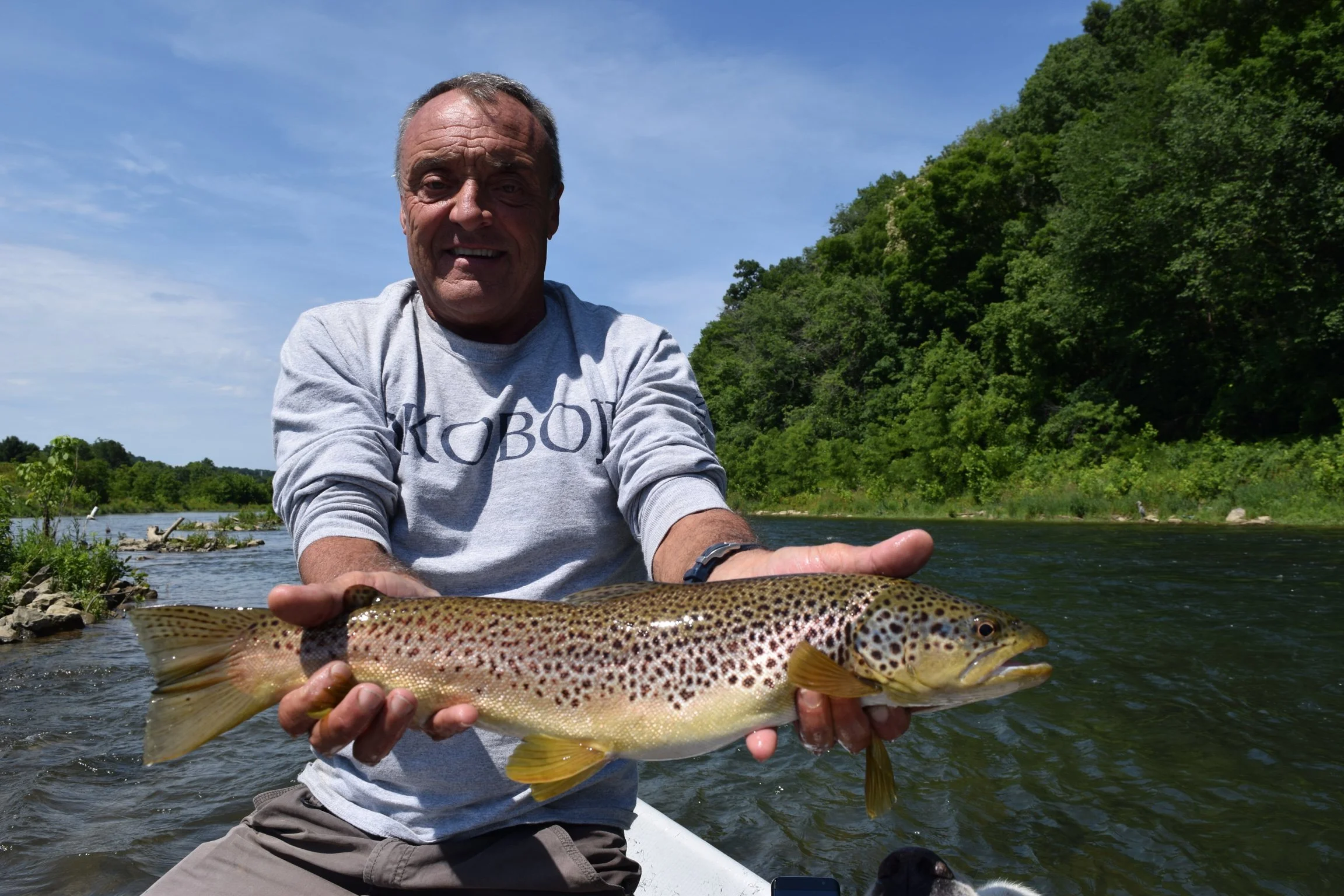
Best Spring Fly Fishing Techniques on the South Holston
Nymphing in Early Spring
Early spring often favors nymphing. A two fly rig with an indicator allows anglers to cover different depths.
Adjust weight frequently. If you are not occasionally ticking bottom, you are likely fishing too high.
Tight line approaches can also work well in moderate flows, especially for experienced anglers.
Dry Fly Fishing During Active Hatches
During strong hatches, dry fly fishing becomes the focus.
Use:
9 to 12 foot leaders
5X or 6X tippet
Long casts with minimal false casting
Position yourself below or across from rising fish and focus on drag-free drifts.
Streamer Fishing for Brown Trout
Streamer fishing can produce aggressive takes in spring, particularly during higher flows or overcast conditions.
A 6 weight rod provides better control when throwing larger patterns. Focus on structure, seams, and transition water.
Spring Gear Setup for the South Holston
Rod and Reel Recommendations
A 9 foot 5 weight is the standard setup for most spring conditions. It offers versatility for nymphing and dry fly fishing.
If you plan to throw streamers regularly, consider a 6 weight.
A smooth drag system is important when targeting larger trout in faster water. You can see a full breakdown in our South Holston fly fishing gear setup guide.
Leader and Tippet Setup
Clear water demands longer leaders. Start with:
9 to 12 foot tapered leaders
5X or 6X tippet for dries and small nymphs
Do not fish heavier tippet than necessary. South Holston trout can be leader shy.
Waders and Layers
Spring mornings are often cold. Afternoons can warm quickly.
Bring:
Breathable waders
Layered clothing
Rain protection
Polarized sunglasses
What You Must Bring
All anglers need:
A valid Tennessee fishing license
Sunscreen
Sunglasses
Weather appropriate clothing
On guided trips with Appalachian Outdoors Co, most gear and flies are included, but confirm details when booking.
You can view available trip options on the Guide Services page.
Where to Fish the South Holston in Spring
The South Holston offers productive water from the dam downstream toward Boone Lake. For maps and public access points, see our South Holston River Map guide.
South Holston Dam to Weir Dam
This stretch often provides technical dry fly water during low generation. It can be productive but demands precise presentations.
Weir Dam to Bluff City
A popular float section with diverse water types. Riffles, runs, and deeper pools provide opportunities throughout spring.
Bluff City to Boone Lake
This lower section can fish well during certain flow conditions and is often best accessed by boat.
Always confirm access points and respect private property boundaries.
South Holston Spring Trout Regulations
Before fishing, review current TWRA regulations. Regulations can change.
Protected Length Range and Creel Limits
The South Holston tailwater includes a protected length range from 16 to 22 inches. Anglers may keep seven trout total, but only one fish may exceed 22 inches.
Always verify current limits directly with TWRA before your trip.
Seasonal Closures
Certain spawning areas may close seasonally. Do not rely on outdated information. Check official sources before fishing.
Licensing Requirements
A valid Tennessee fishing license is required. Portions of the reservoir extend into Virginia, and separate licensing may be required depending on where you fish.
Conservation matters here. Many anglers choose catch and release to help maintain the quality of this fishery.
Common Spring Mistakes on the South Holston
Fishing Tippet That Is Too Heavy
Clear water exposes poor presentation. Lighter tippet often improves success.
Ignoring Subtle Rises
Not all rises are explosive. Watch for gentle sips and small rings.
Not Adjusting Depth While Nymphing
If your indicator never hesitates, you are likely fishing too shallow.
Failing to Monitor Generation Changes
Water conditions can change quickly. Monitor flows throughout the day.
Spring Fly Fishing for Beginners
The South Holston can be technical, but beginners can absolutely succeed with the right approach.
Why a Full Day Trip Builds Confidence
A Full Day trip with Appalachian Outdoors Co is 7+ hours on the water. That time allows for:
Casting instruction
Reading water education
Technique refinement
More time often leads to greater confidence.
3/4 Day Trips for Busy Schedules
A 3/4 Day trip includes 5+ hours on the water and works well for families or travelers with limited time.
What Success Looks Like
For new anglers, success is not about numbers. It is about learning how to read water, set the hook properly, and land fish safely.
If you want structured instruction and a plan built around TVA flows, explore guided options with our experienced guides.
DIY Anglers vs Guided Experience
Many anglers enjoy planning their own South Holston trips. If you go DIY:
Study hatch timing
Check TVA schedules daily
Review TWRA regulations
Respect access points
Our guide services include:
Flow based trip planning
Local hatch knowledge
Safe wading and floating decisions
Technical instruction
Both approaches can be rewarding. The key is preparation.
Frequently Asked Questions
What month is best for spring fly fishing on the South Holston?
March through May can all fish well. Conditions vary based on water release schedules, weather, and hatch timing.
Is the South Holston good for beginners?
Yes, especially with instruction. The river can be technical, but guided trips help beginners build skills quickly.
Can you wade safely in spring?
During low or no generation, wading can be productive. Always monitor TVA releases and exit immediately if water begins to rise.
What flies work best in spring?
Blue Winged Olives, sulphurs, midges, and March Browns are common patterns. Match size and stage carefully.
Plan Your Spring Fly Fishing Trip
Spring on the South Holston rewards preparation. Study flows. Watch insects. Adjust your approach throughout the day.
If you want help navigating TVA generation schedules, hatch timing, and safe access, Appalachian Outdoors Co offers both Full Day and 3/4 Day guided trips.
Fish smart. Respect the river. And enjoy one of Tennessee’s most technical and rewarding spring fisheries.