South Holston River Fly Fishing Gear Setup
A dialed-in gear setup is one of the biggest factors in having a productive day on the South Holston River. With clear water, steady flows and selective trout, SoHo rewards anglers who arrive prepared and understand how to match their equipment to the river’s conditions. Many anglers visit this tailwater for its dense trout population and reliable year-round fishing, but success often comes down to using the right rod, line, flies and rigging approach. In this post, you will learn the essential gear needed for South Holston River fly fishing, how to build an effective rod and leader setup, what flies to pack, and how to adjust your gear based on the season. The goal is to give you a proven setup that helps you fish with confidence from the moment you step into the water.
Understanding South Holston River Conditions
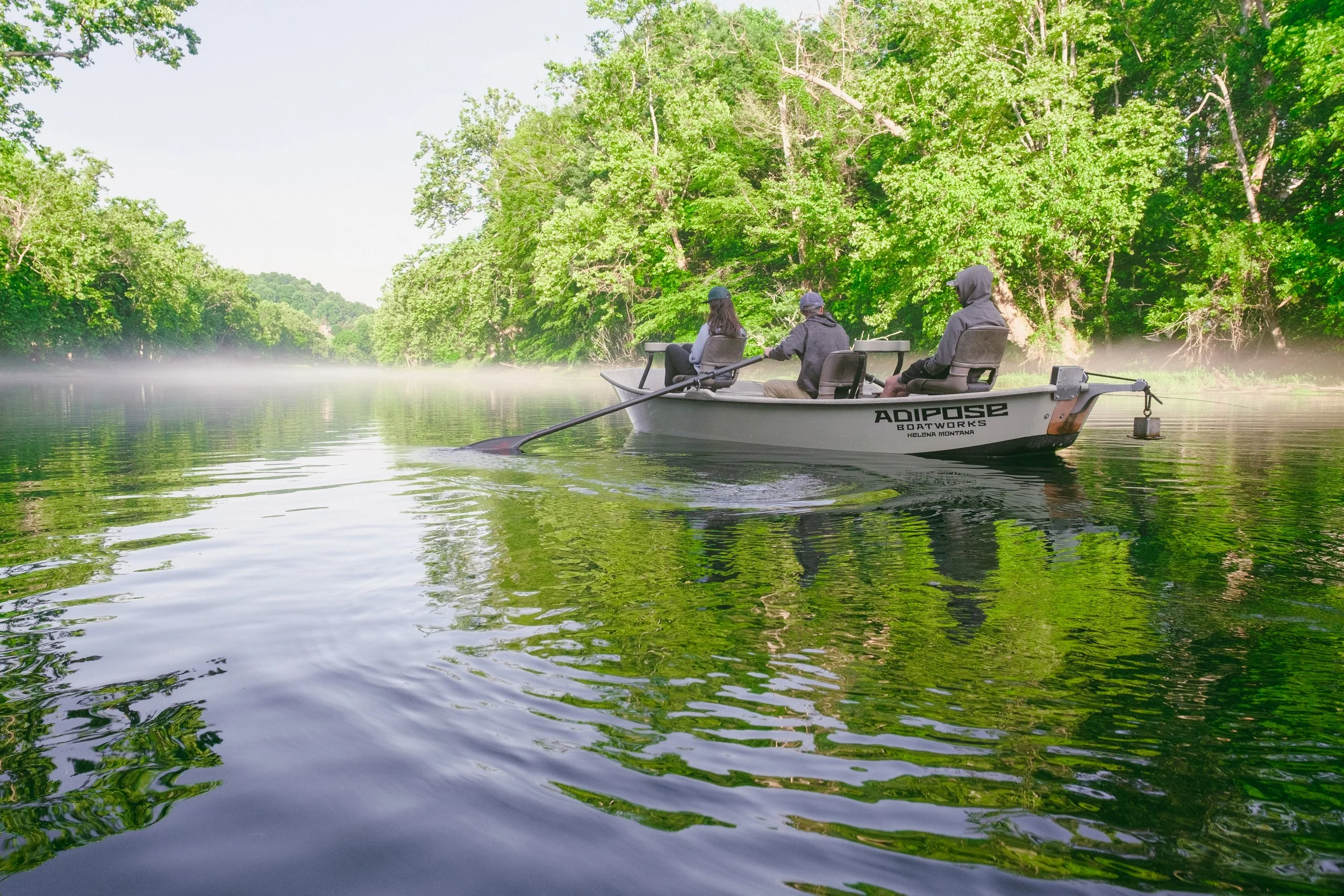
South Holston River is one of the most consistent trout fisheries in the Southeast due to its cold, stable flows and steady insect activity. As a tailwater below a TVA dam, it maintains predictable temperatures and water levels through much of the year. These conditions support an abundant trout population, but they also require intentional gear choices. Clear water, shifting currents and selective fish behavior make it important to understand what the river is doing before you step in.
What Makes South Holston Unique Among Trout Rivers
South Holston fly fishing offers a diverse mix of water types that influence how anglers approach gear and presentation. The river features:
Deep pools that require weight or precise depth control
Long seams that reward drag-free drifts
Shallow riffles where trout feed close to the surface
Ledges and structure that hold larger browns
Trout density is high throughout the system, with wild browns and stocked rainbows spread across different depths and currents. Clear water increases visibility, which means subtle presentations and natural drifts often outperform heavier or less accurate rigs.
Why Tailwater Behavior Influences Gear Choices
Water levels on South Holston depend on dam generation schedules, and changes in flow can happen quickly. These shifts affect depth, current speed and the way your flies travel through the water. Anglers often need to adjust gear based on two distinct scenarios:
Low, clear water: Longer leaders, finer tippet and smaller flies
Generation flow: Heavier rigs, indicator setups or weight adjustments to reach feeding fish
Understanding these patterns helps anglers make choices that match the river rather than fighting against changing conditions. Preparing for both scenarios allows you to stay effective through the entire day, even when flows shift with little notice.
Rod, Reel, and Line Setup
Selecting the right rod, reel and line setup is essential for success on the South Holston River. The water is clear, the trout are selective and the currents vary across short distances. A setup that offers control, sensitivity and enough strength to manage energetic browns will help you stay adaptable throughout the day. The goal is to match your equipment to the river so that your casting, drift and hookset all work together.
Recommended Rod and Reel Specifications
A 9 foot 5 weight rod is the standard choice for most anglers on South Holston. It provides the right balance of finesse and power while still offering enough reach to manage long drifts. Some anglers prefer additional setups depending on how they plan to fish:
A 6 weight for heavier nymph rigs or larger streamers
A 9.5 to 10 foot rod for better mending and improved line control
A compact 4 weight for technical dry fly fishing during low, clear water
Reels should have a smooth, reliable drag system that protects light tippet yet has the strength to stop strong trout. Features that are especially helpful on South Holston include:
Large arbor design for faster line pickup
Strong but consistent drag to handle quick runs
A durable frame that holds up to colder water and frequent use
Line Type and Line Weight Considerations
A weight forward floating line is the most useful option for anglers on South Holston. It works well for dry flies, nymphing and dry dropper setups, which are some of the most common strategies here. Floating lines also pair effectively with longer leaders, which are often needed to keep presentations subtle in clear water.
There are times when a sinking option provides an advantage. Situations that call for something heavier include:
Fishing deep pools where trout hold lower in the water column
High flows during generation when flies need to reach depth quickly
Streamer fishing in colder months or low light when trout chase larger patterns
Carrying both floating and sinking lines gives anglers the flexibility to adjust their approach without switching rods. This helps maintain consistency and ensures you stay ready for changing conditions throughout the day.
Fly Patterns and Rigging for Each Hatch Stage
Dry Fly, Emerger, and Spinner Distinctions
Understanding the stages of an insect’s life cycle is key to consistent success on the South Holston River. Trout often feed selectively on one specific stage, so choosing the right imitation matters as much as presentation. Dry flies imitate adults on the surface, emergers represent insects rising through the water column, and spinner patterns mimic mayflies that return to lay eggs and die.
During sulphur hatches, for example, trout may start taking emergers just below the surface before switching to duns as the hatch peaks. Later in the day, when spinners fall back onto the water, fish rise again for a short but intense feeding window. Paying attention to rise forms helps determine which stage trout are targeting.
Nymphing and Dry-Dropper Rigs for Non-Surface Feeding Times
Many of the South Holston’s trout feed below the surface most of the time. Nymphing remains the most reliable method when there are no visible hatches or when fish refuse dries. Use two-fly rigs that pair a small, realistic imitation with a heavier fly for depth control. A zebra midge, pheasant tail, or small sulphur nymph in size 18 to 22 is effective year-round.
Dry-dropper setups combine the best of both worlds. The dry fly acts as a strike indicator and can imitate a terrestrial or an adult mayfly, while the dropper represents a subsurface insect. This approach is perfect for mid-depth feeding trout during transitional periods between hatches. Adjust the dropper length and weight according to water depth and flow rate.
Key Flies You Should Have in Your Box
A well-rounded South Holston fly fishing box includes patterns for every season and hatch stage. Guides recommend keeping a mix of small, natural-looking flies that match the river’s consistent food sources. Reliable patterns include:
Zebra Midge (black, olive, and red, sizes 20–24)
Pheasant Tail Nymph (sizes 18–22)
Blue-Winged Olive Parachute (sizes 18–20)
Sulphur Comparadun and Spinner (sizes 14–18)
Elk Hair Caddis (sizes 16–18)
Ants, Beetles, and Hoppers (sizes 10–16 for summer)
Having these core patterns allows you to adapt to changing hatches without overcomplicating your setup. Local shops and guides often suggest slight color variations based on current insect activity, so always check before heading out.
Leader, Tippet, and Presentation Tips
Presentation is everything on a clear tailwater like the South Holston. Long, fine leaders between 10 and 12 feet help reduce drag and prevent spooking fish in shallow water. Tippet sizes from 6X to 7X are standard for small flies and wary trout. During high flows or when fishing streamers, a heavier setup such as 4X or 5X provides better turnover and control.
Casting accuracy is more important than distance. Focus on gentle presentations and natural drifts. When fishing dries or emergers, use reach casts or downstream presentations to minimize drag. For nymphing, maintain contact with your flies without pulling them unnaturally. Small adjustments in angle or drift speed often make the difference between refusals and hookups.
By matching the right pattern and rig to the insect stage and water conditions, you can confidently approach the South Holston River year-round and take full advantage of its legendary hatches.
Tactics and Timing Based on Hatch Activity
Best Times of Day by Season and Insect Activity
Timing your fishing around insect activity can make a major difference on the South Holston River. In winter, the warmest part of the afternoon typically brings midges and small mayflies to the surface, creating short but rewarding feeding windows. Spring and fall often see hatches of Blue-Winged Olives and caddis starting late morning and continuing into midafternoon.
During summer, early mornings and evenings are most productive when the water is cooler and sulphurs or terrestrials are active. On cloudy days, hatches may last longer, while bright sun often pushes fish deeper. Paying attention to the South Holston fishing report, temperature changes, cloud cover, and barometric pressure helps you anticipate when insects will emerge and when trout are likely to rise.
Locating Rising Fish and Reading the Water
Reading the river is just as important as timing. The South Holston’s trout often feed in predictable areas where current speed, depth, and food supply intersect. Look for seams, foam lines, and tailouts where drifting insects gather. Rising trout may reveal themselves with gentle sips, while subsurface feeders show subtle bulges or flashes beneath the surface.
Position yourself slightly downstream and off to the side of feeding fish to avoid being seen. Cast across seams and allow your fly to drift naturally into the feeding lane. During heavy hatches, trout may move into shallower riffles or slow edges where insects collect. Observing rise forms and adjusting your target area keeps your presentation in front of active fish longer.
Considering Flows and Generation Schedule
The South Holston River’s character is shaped by the release schedule from South Holston Dam. When the dam is generating, the river rises quickly, creating faster currents and limited wading access. During low-flow periods, the water becomes clearer and trout spread out across riffles and flats.
Check the Tennessee Valley Authority (TVA) generation schedule before heading out to plan for the best conditions. Floating anglers benefit from moderate generation, which keeps fish feeding actively in mid-depth water. Waders will find better conditions when the river is off generation or running minimal flow. Understanding the South Holston generation schedule allows you to adjust your strategy and fish safely while staying in productive water.
Adjusting Tactics When Insects Aren’t Hatching Heavily
Even when the river appears quiet, fish still feed consistently on subsurface insects. When hatches are sparse, switch to nymphing or try a dry-dropper setup with a small midge or mayfly nymph below. During non-hatch periods, trout tend to hold deeper and feed opportunistically. Slow, steady drifts with subtle patterns are usually more effective than flashy attractors.
Streamer fishing can also be productive during low hatch activity or high water. Smaller, natural-colored streamers fished with controlled strips often draw strikes from aggressive browns. Stay flexible and rotate through methods until you find what triggers the fish. The anglers who adapt quickly to changing hatch intensity usually enjoy the most consistent success on the South Holston River.
Leader, Tippet, and Rigs
A thoughtful leader and tippet setup is one of the most important parts of fishing the South Holston River. Clear water and selective trout make subtle presentation essential, and small adjustments in leader length or tippet size often affect how well flies drift. Building rigs that match the river’s conditions helps anglers stay versatile and fish more effectively throughout changing flows and insect activity.
Leader and Tippet Setup for Dry Fly and Nymphing
Longer leaders are a major advantage on South Holston, especially during low and clear conditions. Most anglers start with a standard 9 foot tapered leader and extend it with additional tippet to create a total length of 11 to 12 feet. This extra length helps reduce drag and creates a more natural presentation on flat water or long seams.
Tippet selection plays an important role in how trout respond to flies. Lighter sizes are often necessary when fish are feeding on small midges or mayflies. Common choices include:
5X fluorocarbon for general nymphing and dry dropper setups
6X for small dry flies or technical water
7X on very clear days when trout are especially wary
Fluorocarbon is preferred for subsurface presentations because it sinks more naturally, while nylon works well for dry flies where flotation matters. Mixing materials based on technique helps improve both visibility and drift.
Typical Rigs to Carry
Having a few dependable rigs prepared ahead of time helps anglers stay efficient on the river. South Holston supports a range of insect activity and trout behavior, so carrying multiple options ensures you can adapt quickly. Common rigs include:
Dry fly rig: Ideal during active hatches or when trout rise consistently. A longer leader with light tippet improves accuracy and reduces micro drag.
Dry dropper setup: Useful when trout feed in the film or slightly below the surface. A small nymph or midge tied to the dry fly helps cover two feeding zones at once.
Indicator nymph rig: Effective for deeper water or faster currents. This setup helps maintain depth and keeps flies drifting naturally along the bottom.
Streamer rig: Built with heavier tippet to handle aggressive strikes. This rig works well in deeper pools or during periods when trout chase larger prey.
Preparing these rigs in advance makes it easier to rotate strategies as conditions change and helps maximize time on the water.
Fly Box Contents
Building the right fly box for the South Holston River hatch chart is an important step in preparing for a successful day on the water. The river supports healthy insect life throughout the year, and trout respond well to patterns that match these natural food sources. Carrying a wide but organized selection of dries, nymphs and streamers ensures you are ready for seasonal changes, shifting flows and selective feeding behavior.
Insect Patterns for Most Conditions
South Holston River has reliable hatches and consistent subsurface activity, which makes certain patterns essential for any fly box. These flies imitate the insects trout see on a daily basis and are effective during most seasons. A well rounded box should include:
Blue Winged Olive dries and emergers in sizes 16 to 20
Sulphur patterns for late spring through fall, especially in sizes 16 to 18
Caddis dries such as Elk Hair Caddis in sizes 12 to 16
Midge dries and emergers in sizes 18 to 22 for year round action
These patterns cover the river’s most common food sources and work well when trout feed in the surface film or rise steadily during active hatches.
Nymphs, Emergers, and Subsurface Patterns
Subsurface flies are a major part of fishing South Holston, especially during colder months or low hatch activity. Trout often hold deeper in the water column, and small nymphs or emergers match the insects that drift naturally throughout the day. Useful patterns include:
Zebra Midges in black, olive and red
Pheasant Tail nymphs in standard and tungsten bead versions
Hare’s Ear nymphs for general searching
Soft hackle patterns that imitate emerging mayflies and caddis
These patterns perform well when drifting through seams, deeper runs and pool transitions. Having multiple weight options helps control depth and maintain a natural presentation.
Streamers and Terrestrials
Streamers and terrestrials provide opportunities to target larger trout or fish that respond to more aggressive patterns. These flies are especially useful during low light, higher flows or summer months when fish key on land based insects. Helpful patterns include:
Sculpin and leech streamers in olive, brown and black
Smaller articulated streamers for deeper pools
Beetles, ants and other warm season terrestrials for summer fishing
These flies allow anglers to cover more water and encourage predatory or opportunistic strikes. Keeping a dedicated box with a handful of streamers and terrestrials ensures you have options when trout shift away from smaller insects.
Frequently Asked Questions
What gear do I need for South Holston River fly fishing?
Anglers should bring a 9 foot 5 weight rod, a smooth drag reel and a floating line as a base setup. Long leaders and light tippet help with the river’s clear water and selective trout. A balanced fly box with midges, BWOs, Sulphurs and nymphs prepares you for most conditions.
What size tippet works best on the South Holston River?
Most anglers use 5X or 6X tippet for dry flies and nymphing because trout often feed on small insects. In very clear water, 7X may be helpful for technical presentations. Heavier tippet is used mainly for streamers or during high flows.
What flies work best for South Holston River trout?
Midges, Blue Winged Olives and Sulphurs are some of the most productive patterns on the river. Caddis, soft hackles and small nymphs also perform well throughout the year. Streamers work when trout chase larger prey or hold deeper in the water column.
What is the best rod weight for South Holston River fly fishing?
A 5 weight rod is the most versatile choice for this tailwater because it handles dry flies, nymphs and most streamers. Some anglers bring a 6 weight for heavier rigs or deeper water. A longer rod can help with mending and line control in flat or technical sections.
How long should my leader be on the South Holston River?
Many anglers use leaders between 9 and 12 feet to improve presentation in clear water. Adding extra tippet helps reduce drag and create a softer landing. Longer leaders are especially helpful during low flow periods when trout are more cautious.
Do I need sinking line for South Holston River fly fishing?
Floating line covers most fishing situations on this river, including dries, nymphs and dry dropper setups. Sinking line can be useful for streamer fishing or deeper pools during high flows. Having both options allows you to adjust as river conditions change.
Mastering Your South Holston River Fly Fishing Gear Setup
A well planned gear setup is one of the biggest advantages an angler can have on the South Holston River. Understanding how the river’s clear water and shifting flows influence rod selection, leader length, fly choice and rigging helps you approach every stretch with confidence. By carrying a versatile mix of dry flies, nymphs and streamers, and preparing for both low water and generation periods, you set yourself up for consistent success throughout the year. If you are ready to put this gear knowledge to work on the water, book a South Holston trip with Appalachian Outdoors and experience the river with guides who know it inside and out.