South Holston River Fishing Regulations. A Fly Angler’s Guide to Staying Legal (and Fish-Friendly)
If you’re coming to the South Holston River tailwater near Bristol, TN, you’re stepping onto one of Tennessee’s most carefully managed trout fisheries. And whether you plan to keep fish or not, the regulations matter—because some rules (like seasonal closures) apply even if you’re practicing strict catch-and-release.
I’m writing this from the perspective of a guide who fishes catch-and-release only and cares a lot about protecting what makes the “SoHo” special. That said: knowing the regs is part of conservation. It keeps you out of trouble and keeps pressure off the fish when they need a break.
For trip planning, access, float vs. wade strategy, and seasonal approaches, make sure you also check our South Holston River fly fishing page.
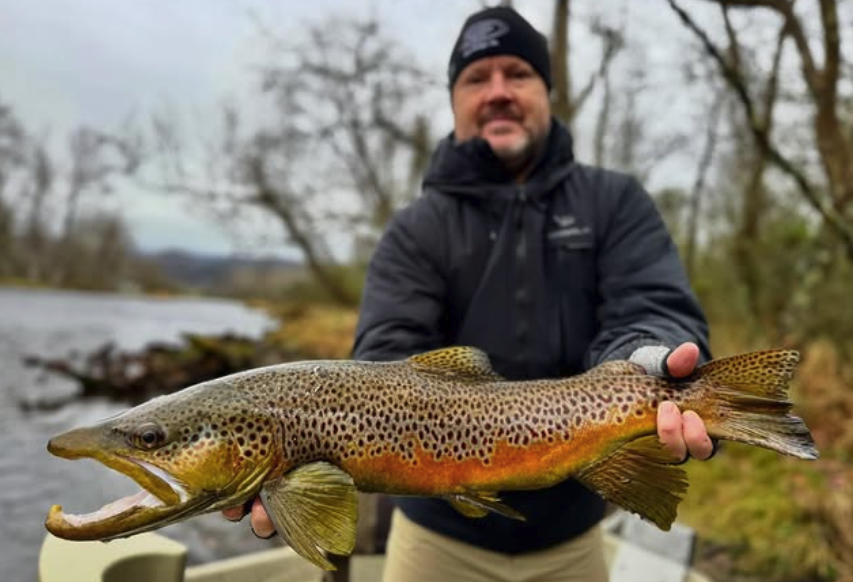
The official special regulations for the South Holston tailwater (read this first)
TWRA lists the South Holston tailwater under “South Fork Holston River — South Holston Dam to Boone, including Boone Reservoir upstream to the Hwy 11E Bridge (DeVault/Bristol Hwy. Bridge) on the Watauga arm.”
Here are the key rules straight from TWRA:
1) Slot limit: 16–22" Protected Length Range (PLR)
16–22 inch PLR on all trout
Plain English: trout in that size window are protected and must be released. Even if you’re C&R only (like we are), this tells you what the river is trying to produce: healthy mid-to-upper-class fish.
2) Daily creel limit (even if you’re not harvesting)
Seven (7) trout creel limit
Only one (1) trout may be greater than 22 inches
We’re not keeping fish—but you still want to know these limits because they’re part of how TWRA manages pressure and fish size structure.
3) Seasonal closures: closed to all fishing in specific areas (Nov 1–Jan 31)
This is the one that gets people, every year.
TWRA states the South Holston is closed to all fishing Nov. 1 – Jan. 31 in these areas:
Hickory Tree Bridge upstream to the confluence with Bottom Creek
Downstream point of Boy’s Island (first island downstream of Weaver Pike Bridge) upstream to the top of the first island above Webb Road Bridge
“Closed to all fishing” means exactly that—no “just one cast,” no “we’re only nymphing,” no “but I’m releasing everything anyway.”
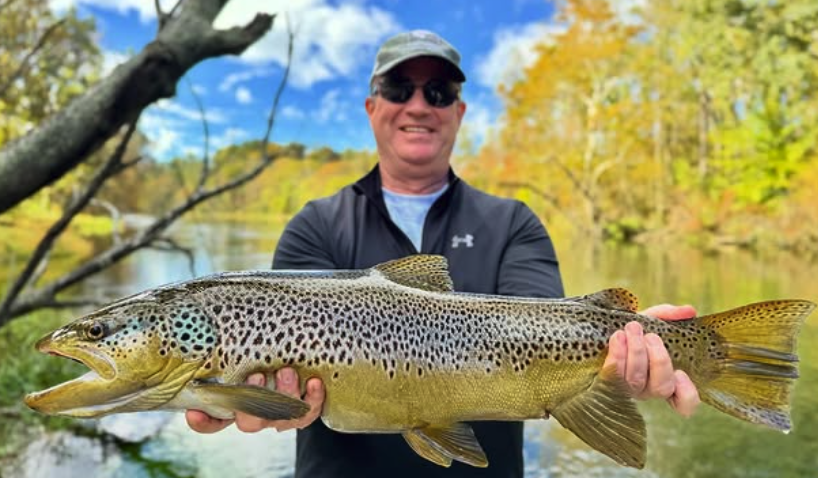
Why these regulations exist (and why you should care)
A tailwater like the South Holston can grow exceptional trout, but it’s also easy to love it a little too hard. Slot limits protect the fish that are most valuable to the fishery (and most vulnerable to harvest). Seasonal closures protect key areas during sensitive periods.
From a conservation-minded, catch-and-release approach, think of the regs as the river’s “rest days” and “do-not-disturb signs.”
Flow changes aren’t a “regulation,” but they might be the most important rule to respect
On TVA tailwaters, the river can go from “ankle-deep and friendly” to “this is not a wading river today” faster than you can say “where’d my fly go?”
TVA’s South Holston operating guide warns that water release schedules can change without notice and that large amounts of water could be discharged at any time—use caution and obey posted safety guidance.
So even when you’re following the fishing regulations perfectly, you still need to plan around the South Holston generation schedule for safety and for successful fishing.
Quick checklist for staying compliant on the South Holston
Read the TWRA trout regulations page the week of your trip (rules can change).
Avoid the Nov 1–Jan 31 closed sections entirely—no fishing means no fishing.
Check TVA operating info and treat releases as “subject to change.”
Carry the right license for Tennessee trout fishing (see below).
Licensing note (keep it simple, don’t guess)
Tennessee licensing can be confusing because packages and requirements can change over time and by license type. TWRA directs anglers to buy licenses through the official portal.
Also worth noting: TWRA announced rule changes indicating the trout supplemental license (stamp) was rolled into the base hunting & fishing combination license (so no separate stamp would be needed for that specific base combo).
Bottom line: use the Go Outdoors Tennessee portal to ensure you’re covered for trout before you fish.
Common regulation questions (South Holston edition)
“If I’m catch-and-release only, do regulations still matter?”
100%. The slot/creel rules reflect fishery management, and the seasonal closures absolutely apply even if you’re releasing every trout.
“Where do the special South Holston regs apply?”
TWRA specifies South Holston Dam to Boone, including Boone Reservoir upstream to Hwy 11E Bridge on the Watauga arm.
“What’s the biggest ‘oops’ people make?”
Fishing (or even “just wading and casting”) in a closed section between Nov 1 and Jan 31. Those closures are clearly listed—learn the landmarks before you go.
Want the “how to fish it” version of this?
Regulations are step one. Step two is knowing how the South Holston fishes across flows, seasons, and hatches—plus where a float trip makes more sense than trying to wade a tailwater that can change on you.
Head over to our South Holston Fly Fishing article for the full trip-planning rundown.